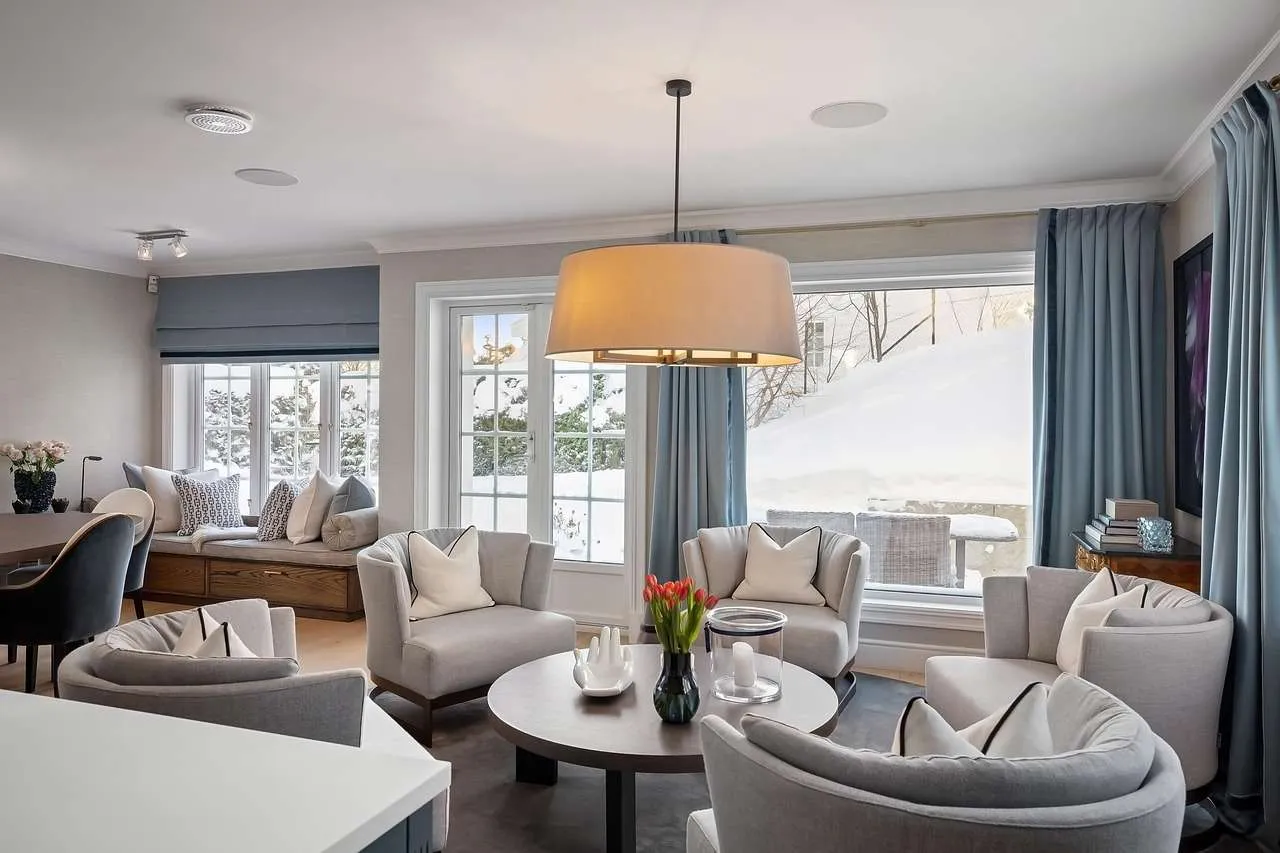
Home window tinting is a practical upgrade that enhances comfort, lowers energy use, and improves privacy by applying a thin, durable film to residential glass. This guide explains how window tinting works, what film options are available, and how to choose and maintain the right solution for your home. With the right approach, you can reduce heat gain, protect interiors from UV damage, and enjoy a more comfortable living space year-round.
What is home window tinting?
Home window tinting uses a lightweight film applied to interior or exterior glass surfaces. The film can block infrared heat, reduce glare, filter UV rays, and alter the glass’ appearance. Unlike simple coverings or blinds, tinting provides a constant, fiber-free barrier that works across day and night. When professionally installed, it also adds a seamless aesthetic that complements exterior and interior design.
How window tinting improves your home
Tinted windows offer several tangible benefits that matter to most homeowners:
- Energy efficiency: By rejecting solar heat, tinting lowers cooling loads in summer and reduces the need for air conditioning, which can lower utility bills.
- UV protection: Most window films block up to 99% of ultraviolet rays, slowing color fading of furnishings, floors, and artwork.
- Glare reduction: Tint helps manage bright sun, making screens easier to read and reducing eye strain.
- Privacy and security: Tint provides daytime privacy and can deter intruders by obscuring the view inside.
- Safety and durability: Some films hold shattered glass together, adding a level of safety in the event of impact.
Key metrics to know
Two industry terms help you compare films: Visible Light Transmission (VLT) and Solar Heat Gain Coefficient (SHGC).
- VLT indicates how much light the film lets through. Higher VLT means more natural light; lower VLT means more opacity and privacy.
- SHGC measures how well the film blocks heat from the sun. Lower SHGC equals better heat rejection.
Types of window films
Films vary in composition and performance. Here is a quick comparison to help you evaluate options:
| Film Type | Key Features | Pros | Cons |
|---|---|---|---|
| Dyed | Pigmented layer absorbs heat | Low cost, decent glare reduction | Colors may fade; UV protection is moderate; can reduce interior brightness |
| Metalized | Metal particles reflect solar energy | Excellent heat rejection, strong glare control | Potential signal interference with devices; can appear mirror-like |
| Ceramic | Non-metallic, contains ceramic particles | Superior heat rejection, high clarity, no signal interference | Higher upfront cost |
| Carbon | Carbon particles provide color stability | Good heat rejection, stable appearance | Moderate price, performance varies by brand |
| Laminated/Safety | Interlayer film adds safety against breakage | Enhanced safety, some UV protection | Limited color options, higher cost |
Choosing the right film for your home
Consider climate, privacy needs, aesthetics, and budget when selecting a film. South-facing windows, for example, benefit from higher heat rejection, while north-facing rooms may prioritize glare control and natural light. If you have smart devices or HVAC equipment sensitive to interference, ceramic or carbon films are typically the best balance between performance and reliability. Always verify warranty terms and ensure the installer is certified to avoid bubbles, adhesive issues, or future degradation.
Installation considerations and maintenance
Professional installation is recommended to ensure proper adhesion, edge sealing, and uniform coverage. A typical residential job involves meticulous surface cleaning, precise cutting, and careful application to avoid bubbles or creases. After installation, avoid abrasive cleaners on the film and use mild detergents with soft cloths. Most high-quality films offer warranties ranging from 5 to 15 years for fading, peeling, or delamination, depending on sun exposure and maintenance.
Cost overview and ROI
Costs vary by film type, glass size, and labor. A general range for residential tinting is $5 to $15 per square foot, with ceramic or premium carbon films on the higher end. ROI comes from energy savings, reduced glare, longer furniture life, and improved comfort. When local climate yields high cooling demands, payback can be within a few years, especially in sun-heavy homes. Always obtain multiple quotes and check for installation warranties and service commitments.
Conclusion
Conclusion, choosing the right home window tinting solution requires assessing climate, privacy, aesthetics, and budget. For most homes, carbon or ceramic films offer the best balance of heat rejection and UV protection, installed by a qualified professional to ensure a long-lasting, warranty-backed result.